
What Are Invisible Aligners?
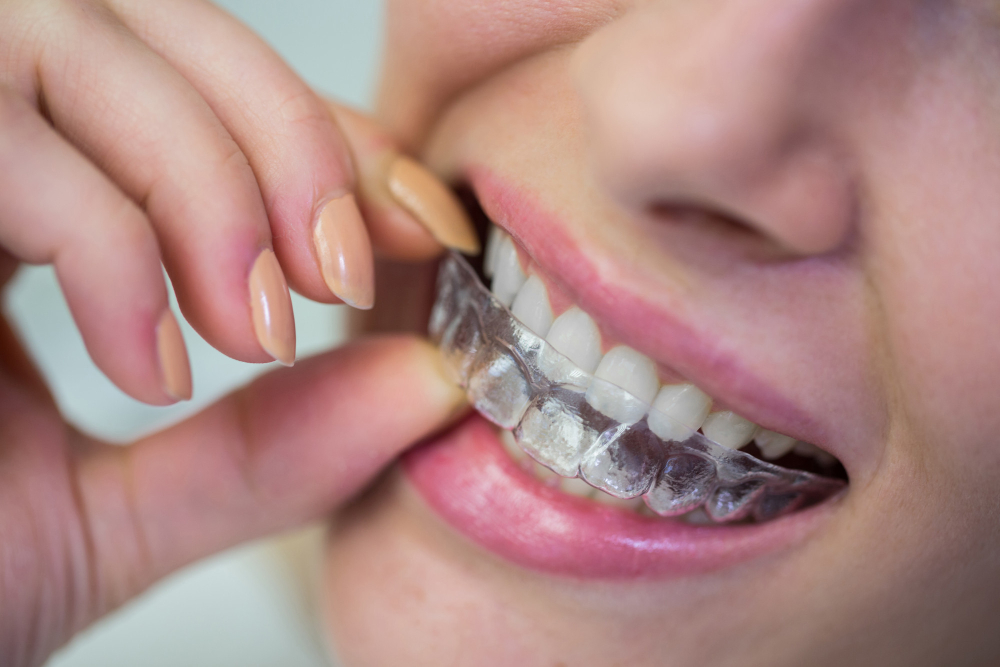
Invisible aligners are clear, plastic trays made to fit your teeth. They help move teeth into better positions over time. Many people choose invisible aligners because they are hard to see and easy to wear. In fact, invisible aligners have become a popular choice for comfortable teeth straightening options in many cities. Unlike metal braces, these aligners do not use wires or brackets. Instead, they use gentle pressure to shift teeth. For many, this makes the process less noticeable and more comfortable.
How Do Invisible Aligners Work?
Invisible aligners work by gently moving teeth step by step. First, your dentist or orthodontist takes a scan or mold of your teeth. Next, a series of custom aligners is made just for you. Each set is worn for about one to two weeks. After that, you switch to the next set. Over time, your teeth slowly move into their new positions. Because the aligners are removable, you can take them out to eat or brush your teeth. However, you should wear them for 20 to 22 hours each day for the best results. According to dental studies, most people see changes in a few months, but full treatment may take 6 to 18 months.
Benefits of Invisible Aligners
Invisible aligners offer many benefits for teeth straightening. For example, they are:
Additionally, clear aligners for teeth straightening often require fewer visits to the dentist. This can save you time and reduce stress.
Who Is a Good Candidate for Invisible Aligners?
Not everyone is a good fit for invisible aligners. Still, many teens and adults can use them. You may be a good candidate if you have mild to moderate crowding or spacing. People with small gaps, crooked teeth, or slight bite problems often see great results. However, some complex cases may still need other treatments. Your dentist will check your teeth and let you know if invisible aligners are right for you. Even so, you must be willing to wear the aligners as directed. People who forget to wear them may not get the best results.
What to Expect During Treatment
During treatment, you will get a set of clear aligners. Each aligner is worn for about one to two weeks. You will need to visit your dentist every few weeks to check your progress. At each visit, you may get new aligners. Because the aligners are removable, you can eat most foods without worry. However, you should always brush your teeth before putting them back in. Some people feel mild pressure or soreness when they switch to a new set. This is normal and usually goes away in a few days. Most people adjust quickly and find the process easy to manage.
Potential Risks and Side Effects
Although invisible aligners are safe for most people, there are some risks to know. For instance, you may feel mild pain or pressure when you start a new aligner. Some people notice extra saliva or a slight lisp at first. These issues often improve as you get used to the aligners. Rarely, aligners can cause mouth sores or gum irritation. If you do not clean your aligners well, you may get cavities or gum disease. According to the CDC, good oral care is important during any dental treatment. If you notice pain, swelling, or other problems, contact your dentist right away.
Tips for Success with Invisible Aligners
To get the best results from invisible aligners, follow these tips:
With these steps, you can help your teeth move as planned and avoid delays.
Preventing Dental Issues During Treatment
While using invisible aligners, it is important to keep your teeth and gums healthy. For example, brush your teeth twice a day and floss once a day. Always rinse your mouth after eating before putting your aligners back in. Because food can get trapped, clean your aligners every day. Avoid sugary snacks and drinks, as they can lead to cavities. The American Dental Association suggests regular dental checkups during treatment. If you notice any signs of gum disease, such as bleeding or swelling, let your dentist know. By following these steps, you can enjoy a healthy smile during and after your clear aligner treatment.