
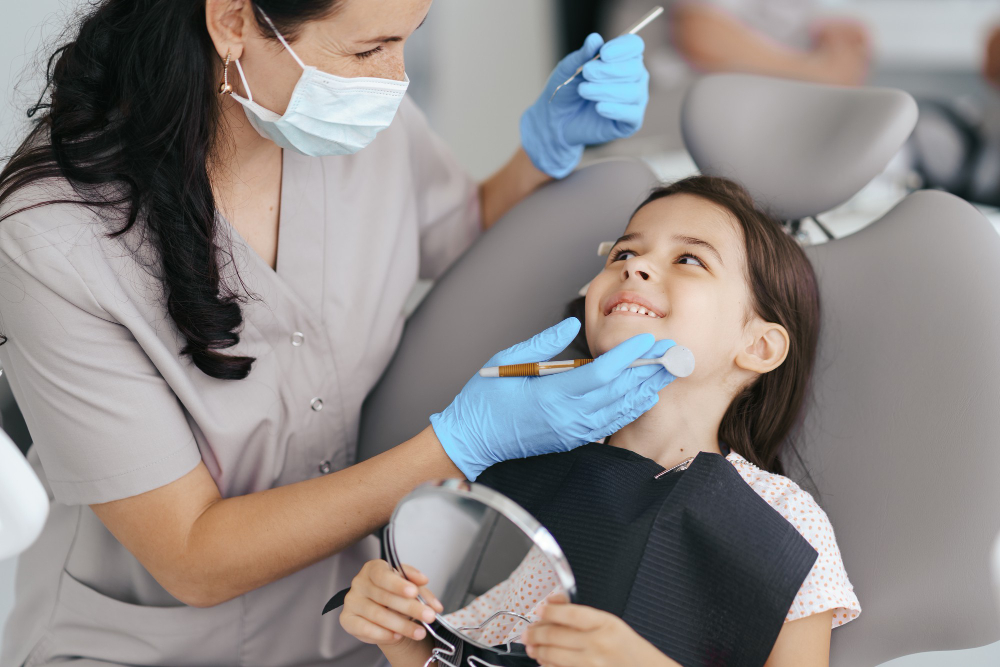
Importance of Pediatric Dental Care
Pediatric dental care is vital for every child. Early care helps build healthy smiles for children. In fact, strong teeth support good eating, speech, and self-esteem. When children visit the dentist early, they learn healthy habits. As a result, they are less likely to develop dental problems later. According to the CDC, tooth decay is one of the most common childhood diseases. However, with proper care, most dental issues can be prevented.
Common Dental Issues in Children
Many children face dental problems as they grow. Some issues are more common than others. For example, tooth decay, also called cavities, affects many kids. Gum disease can also start early. In addition, some children have crooked teeth or bite problems. Sometimes, teeth may be injured during play. Baby teeth can also fall out too soon or too late. These issues can affect eating, speaking, and even confidence.
Symptoms to Watch for in Pediatric Dental Health
Parents and caregivers should watch for signs of dental problems. Early detection helps prevent bigger issues. For instance, children may complain of pain or sensitivity. Sometimes, you may notice swelling or redness in the gums. Bad breath that does not go away can also signal a problem. In some cases, white or brown spots on teeth may appear. If a child avoids eating or brushing, this could also be a sign.
Causes and Risk Factors for Dental Problems in Children
Several factors can lead to dental issues in kids. For example, eating sugary foods and drinks increases the risk of cavities. Not brushing or flossing daily allows plaque to build up. Sometimes, genetics play a role in dental health. Sharing utensils or bottles can also spread bacteria. In addition, children with special health needs may face higher risks. Poor nutrition and lack of fluoride can also affect teeth.
Diagnosis and Dental Check-Up Procedures for Kids
Regular dental check-ups are key for children’s dental health. During a visit, the dentist examines the teeth and gums. They may use a small mirror and light to look for cavities or gum issues. Sometimes, X-rays help spot hidden problems. The dentist may also check how the teeth fit together. In many cases, they clean the teeth and remove plaque. Afterward, the dentist explains any findings and answers questions.
Treatment Options for Common Pediatric Dental Conditions
When dental problems occur, several treatments are available. For cavities, dentists often use fillings to repair the tooth. If a tooth is badly damaged, a crown may be needed. In some cases, dentists use fluoride treatments to strengthen teeth. For gum disease, a deep cleaning may help. If teeth are misaligned, braces or other devices might be recommended. Dentists always choose the safest and most effective option for each child.
Preventive Strategies for Healthy Childhood Teeth
Prevention is the best way to keep children’s dental health strong. For instance, regular dental visits help catch problems early. Using fluoride toothpaste protects against cavities. Limiting sugary snacks and drinks also helps. In addition, dental sealants can shield back teeth from decay. Teaching children to brush and floss daily is vital. As children grow, parents should encourage good habits and lead by example.
Daily Oral Hygiene Tips and Lifestyle Guidance for Families
Good daily habits support healthy smiles for children. First, brush teeth twice a day with a soft brush. Use a pea-sized amount of fluoride toothpaste. Floss once a day to clean between teeth. After meals, rinse with water to remove food bits. Choose healthy snacks like fruits, cheese, or yogurt. Avoid sticky candies and sugary drinks. Finally, make dental care a fun family routine. Praise children for their efforts and set a good example every day.